

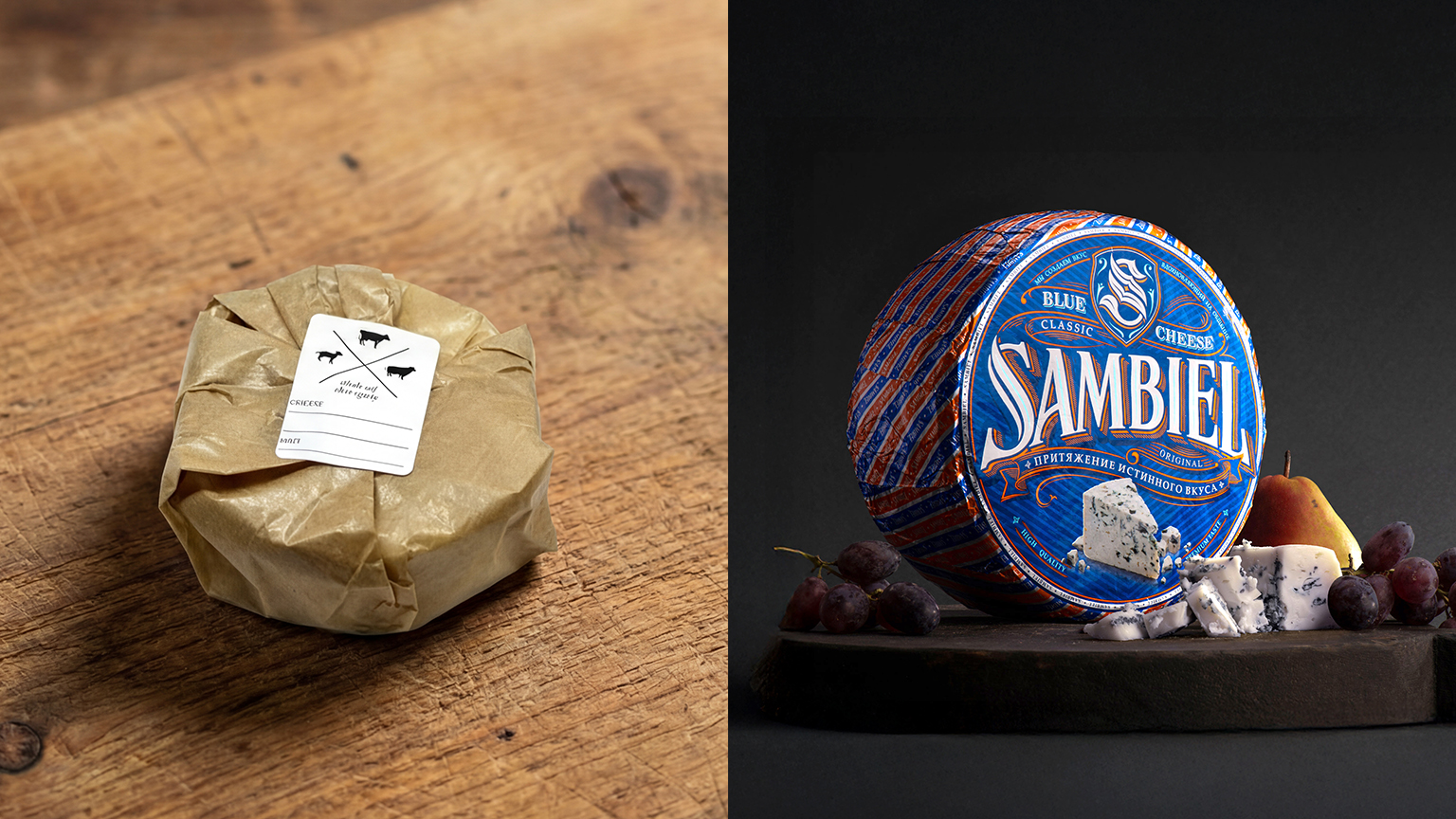
Every brand reaches this crossroads eventually.
Do you design packaging that looks beautiful, or packaging that works effortlessly?
Talk to any founder who has worked with a custom packaging design agency, and you’ll hear the same tension play out. Marketing wants impact. Operations want efficiency. Customers want both — even if they don’t say it out loud.
The truth is, great packaging isn’t about choosing sides. It’s about balance. And getting that balance wrong costs more than most brands realise.
When Aesthetic Packaging Goes Too Far
Beautiful packaging gets attention.
But attention alone doesn’t guarantee loyalty.
We’ve all experienced packaging that looks stunning on a shelf or in an unboxing video — and then frustrates us immediately. Boxes that are hard to open. Excess layers. Fragile structures that collapse after first use.
When aesthetics overpower function, the message becomes unintentionally clear:
“This was designed for appearance, not for you.”
That disconnect erodes trust. Customers may admire the design once, but they hesitate to reorder. And in repeat-driven markets, that hesitation matters.
When Function-Only Packaging Feels Cold
On the other extreme, purely functional packaging can feel efficient — but forgettable.
Plain boxes. Minimal labelling. No emotional cues.
Function-first packaging does its job, but it doesn’t always build a relationship. It tells customers what the product is, but not what the brand stands for.
In crowded categories, that absence of personality becomes a disadvantage. Customers might trust the product, but they don’t feel connected to it.
And connection is what keeps brands top-of-mind.
Packaging Is a Silent Conversation
The best packaging speaks without shouting.
It says:
“This is easy to use.”
“This makes sense.”
“This brand thought this through.”
Balance happens when design decisions serve both clarity and character. When aesthetics guide the eye, and function supports the experience.
Good packaging doesn’t ask for praise.
It earns appreciation.
Function Builds Trust. Aesthetics Build Desire.
Here’s the part many brands miss: function and aesthetics aren’t competing forces. They serve different emotional needs.
Function reassures:
- Easy opening
- Logical structure
- Durable materials
- Clear information
Aesthetics invite:
- Curiosity
- Recognition
- Emotional attachment
- Brand recall
When these two work together, packaging stops being a container and starts becoming a brand asset.
Real-World Balance Looks Subtle, Not Loud
Balanced packaging often doesn’t look dramatic.
It looks:
- Intentional
- Calm
- Thought-through
It uses colour with restraint. Structure with purpose. Materials that feel appropriate, not excessive.
This kind of packaging ages well. It doesn’t rely on trends. It feels relevant longer because it prioritises user experience over novelty.
And longevity is an underrated advantage.
Why Over-Designed Packaging Backfires
Over-designed packaging often tries to compensate for unclear branding.
Extra textures. Loud graphics. Complicated shapes.
Instead of clarity, it creates noise.
Customers shouldn’t have to decode packaging. The more effort required to understand or use it, the faster trust declines.
Design should reduce friction, not add to it.
The Right Balance Depends on the Product — Not Ego
A luxury gift product may lean slightly aesthetic.
A daily-use product may lean slightly functional.
But neither should abandon the other completely.
Balance isn’t about symmetry. It’s about relevance. Packaging should reflect how the product fits into the customer’s life — not how impressive it looks in isolation.
When brands design with real usage in mind, balance becomes intuitive.
The Brands That Win Think Long-Term
Short-term packaging choices focus on attention.
Long-term packaging choices focus on experience.
Brands that grow steadily invest in packaging that:
- Travels well
- Stores easily
- Communicates clearly
- Feels familiar over time
These brands don’t redesign every season. They refine. They evolve quietly, without losing recognition.
That restraint is confidence.
Final Thought
Functional packaging earns trust.
Aesthetic packaging earns interest.
But the brands that last don’t choose one over the other. They understand that packaging is both a tool and a storyteller.
When design supports use, and beauty supports meaning, packaging stops being decoration — and starts becoming strategy.
That’s the balance worth finding.